

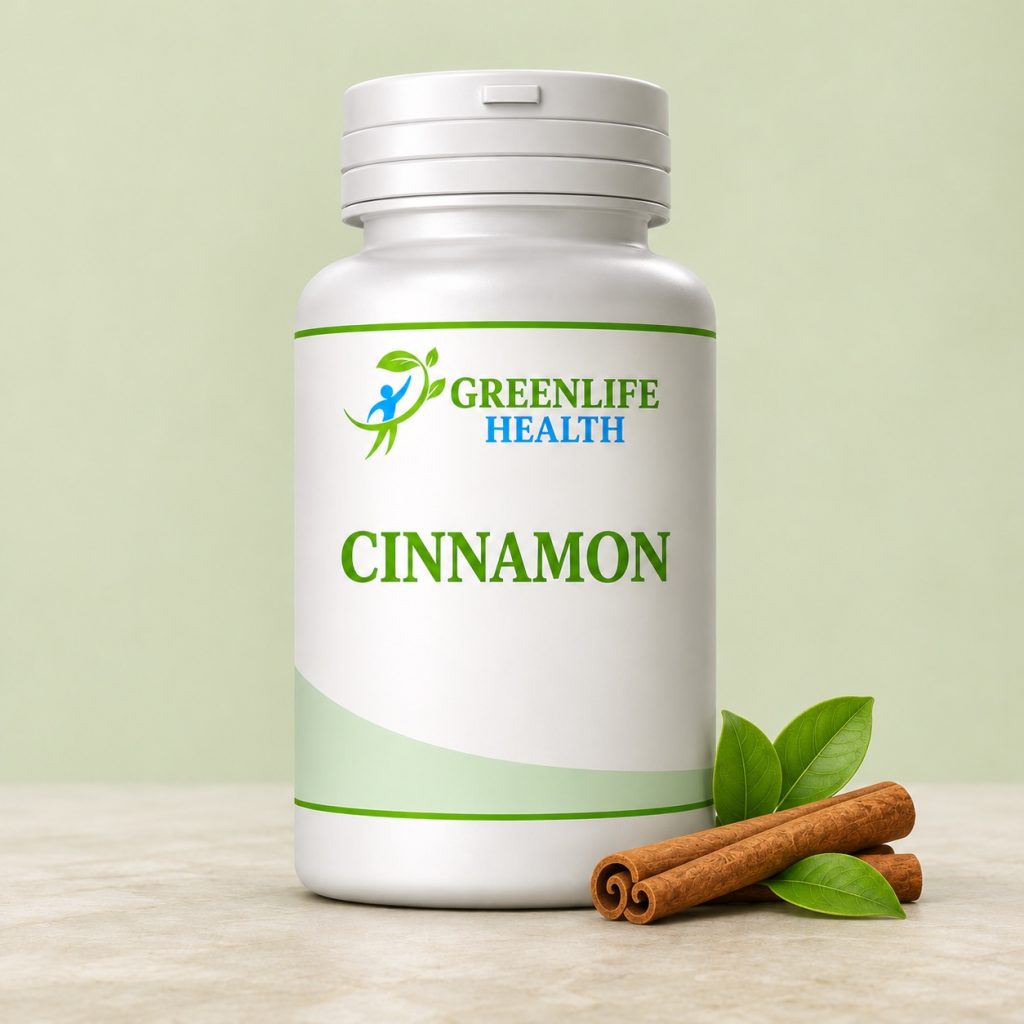
Cinnamon in a kitchen jar and cinnamon in a supplement may carry the same familiar name, but that does not make the products interchangeable. The form, plant species, amount and directions all help explain what a bottle actually contains.
Why the form matters
Cinnamon products can use different species and plant parts. NCCIH notes that research is difficult to interpret when those details are unclear, and evidence does not clearly support cinnamon for a health condition. It should not be presented as an established treatment for diabetes or as a guaranteed weight-loss aid. Read NCCIH’s cinnamon overview.
Two amounts can describe one ingredient
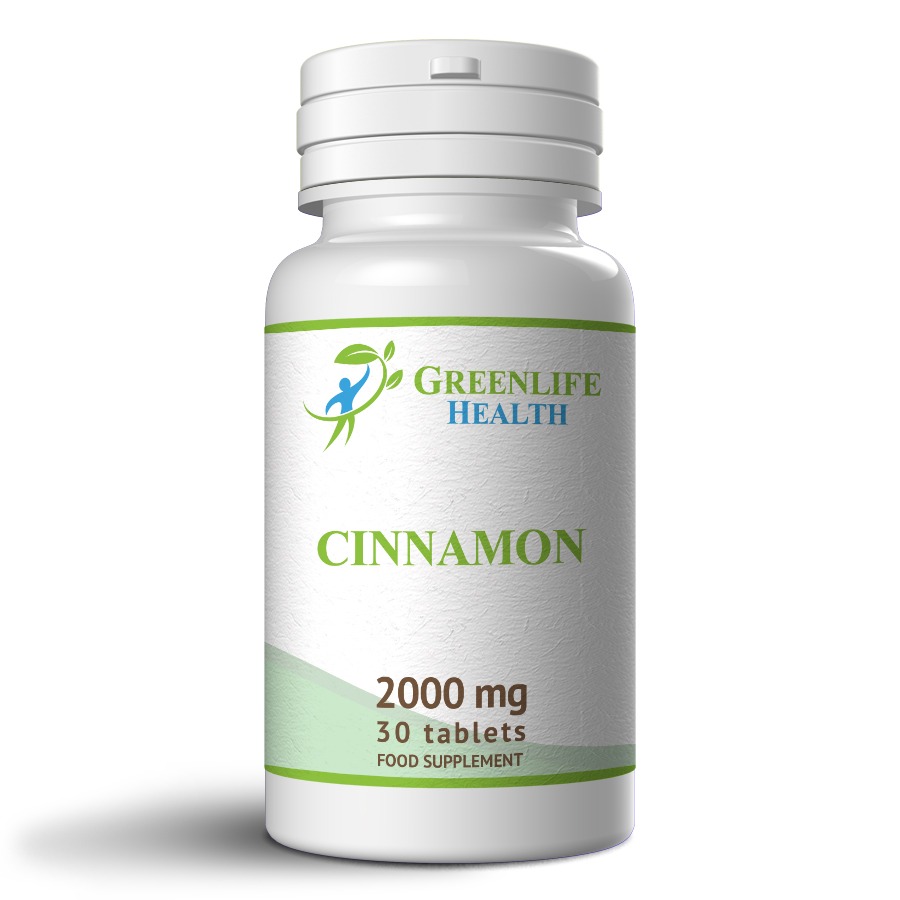
The supplied Greenlife label lists cinnamon bark at 2000 mg, provided by 67 mg of a 30:1 extract, per tablet. The larger number is presented alongside an extract explanation. It should not be read as a separate extra 2000 mg on top of the 67 mg.
When comparing labels, write down the stated extract amount and any equivalent amount separately. A front-of-pack number alone does not identify the species or establish that two extracts have the same composition. The supplied label does not specify a cinnamon species, so this article does not assume that it is Ceylon or cassia cinnamon.
Read the rest of the label
The supplied ingredient list includes cinnamon bark extract, dicalcium phosphate, microcrystalline cellulose and magnesium stearate. It also carries suitability information. Check the current bottle if a particular ingredient or dietary requirement matters to you, and ask the seller about anything that is unclear rather than relying on the photograph alone.
Food use and supplements are different decisions
Amounts commonly used as a spice are generally considered safe. Larger or prolonged intakes can cause digestive symptoms or allergic reactions. Cassia cinnamon can contain coumarin, which raises particular concerns for people sensitive to liver effects. Medicines can also interact with herbal products. See NCCIH’s safety information.
Take the full product label to a pharmacist if you use medicines, have a health condition or are considering a supplement during pregnancy or breastfeeding. Ask about the actual formulation and your circumstances. An extract ratio can help describe the ingredient; it does not replace that suitability check or establish a clinical benefit.
General information, not individual medical advice. Product details reflect supplied catalogue material; check the current pack and ask a pharmacist about suitability.
Sources and further reading
Sources checked 3 November 2026. Product formulations can change; check the pack supplied with your order. These sources do not endorse this shop or its products.